Description
Beginner Aluminum Mallet Putter — PGM TUG048 — Lightweight Stability, Clean Design | FairwayWise
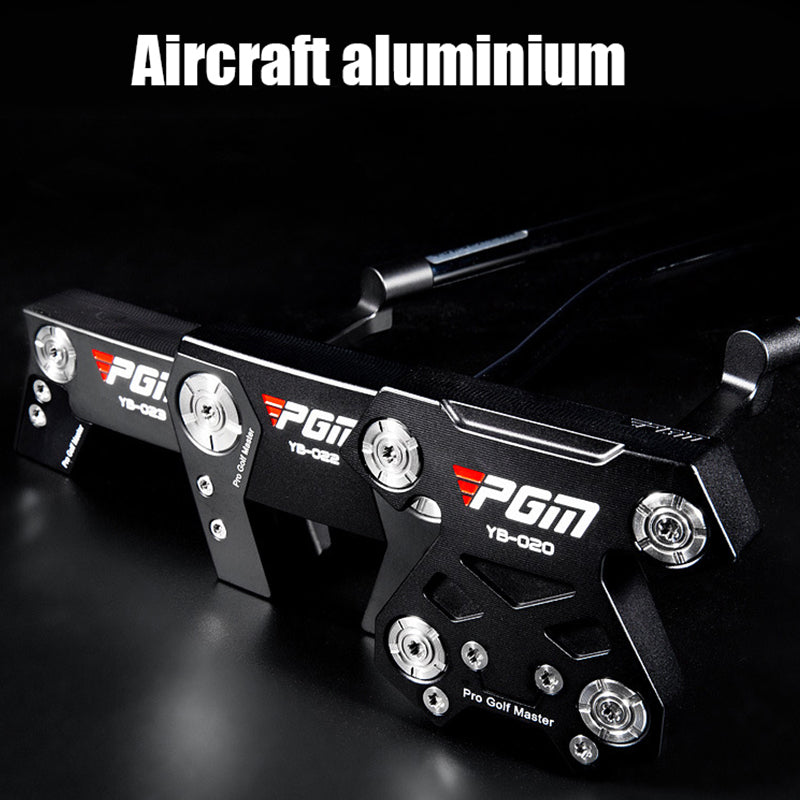
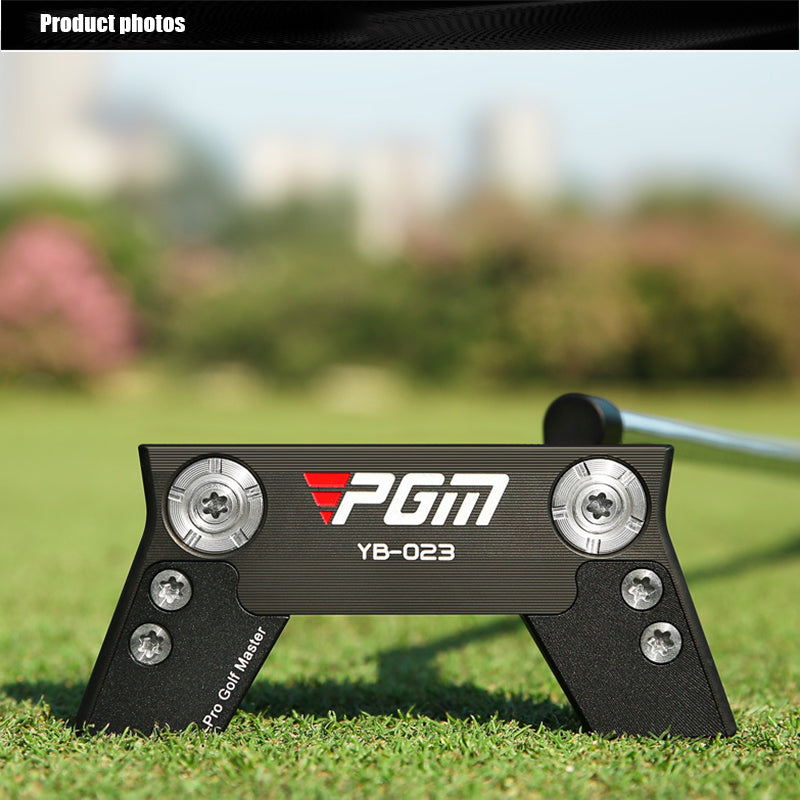
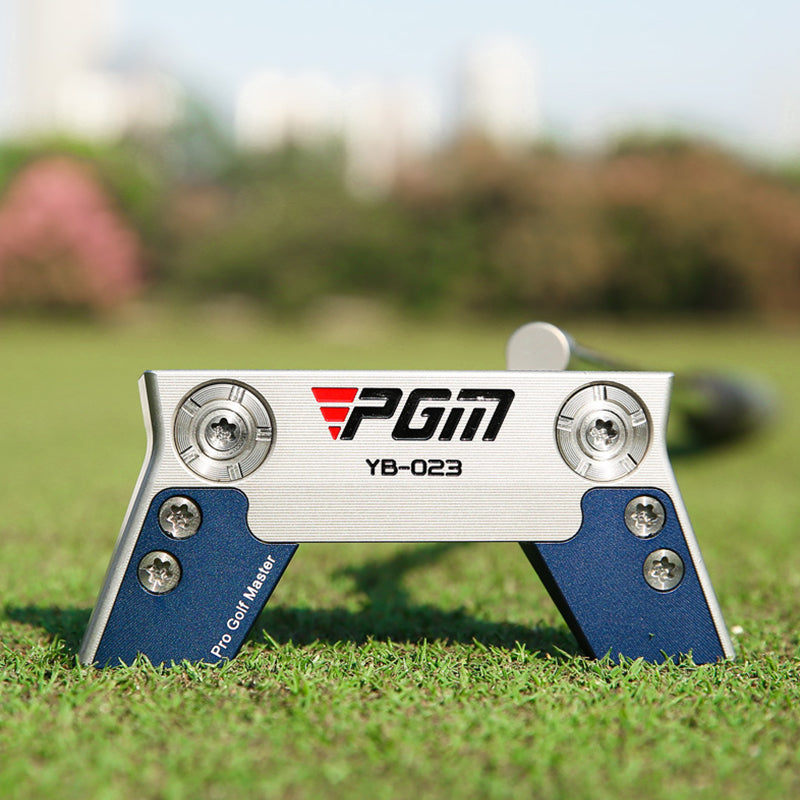
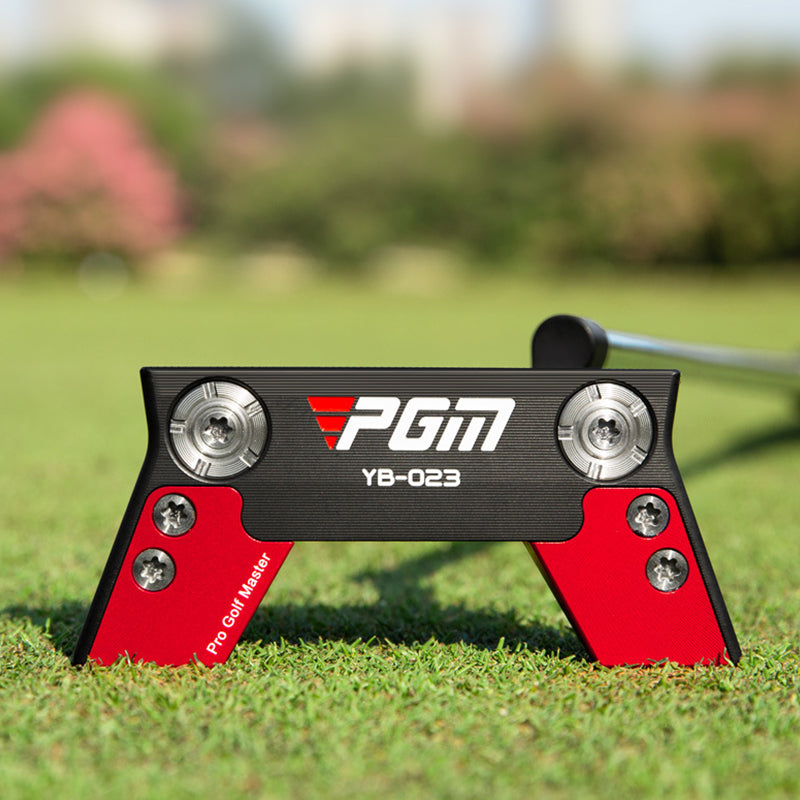
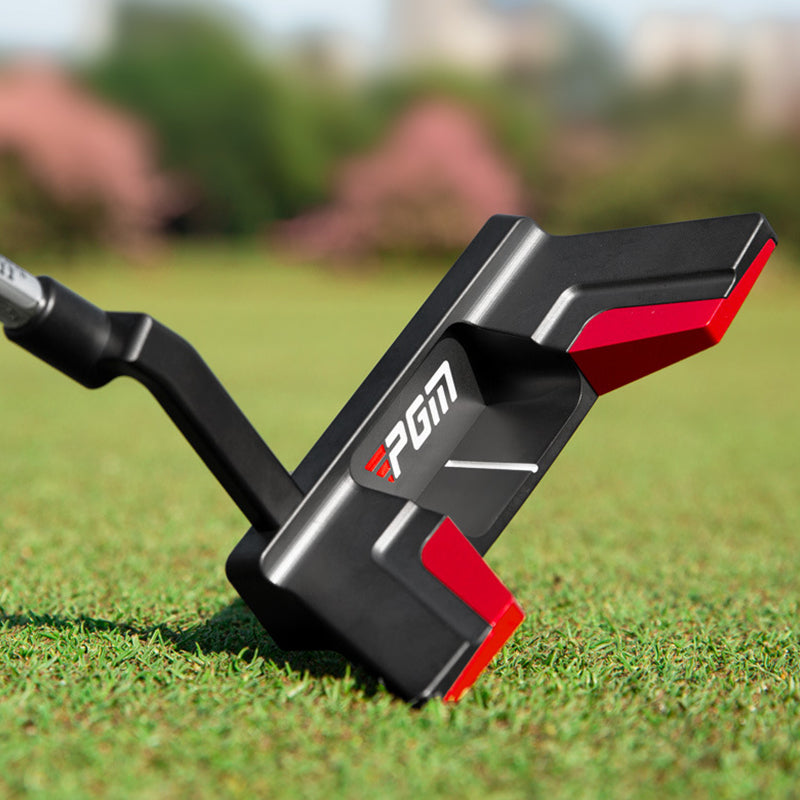
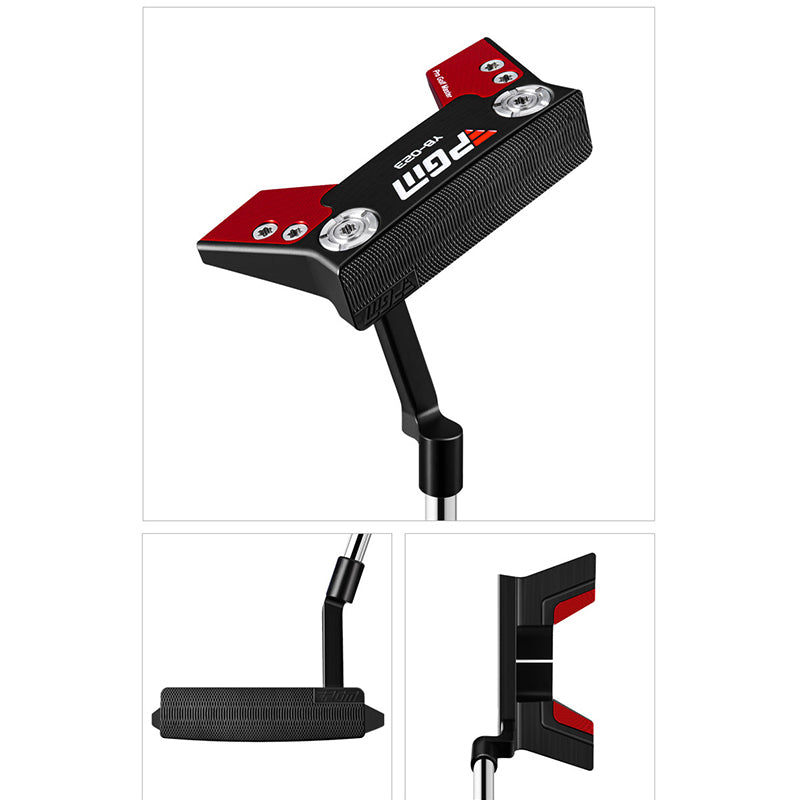
The PGM TUG048 is an aluminum-body mallet putter that puts forgiveness first — without the complexity or price tag of high-end milled models. Its aircraft-grade aluminum head is lighter than steel, which lets PGM redistribute weight to the perimeter. The result: a stable, twist-resistant stroke that helps beginners and mid-handicappers hole more short putts.
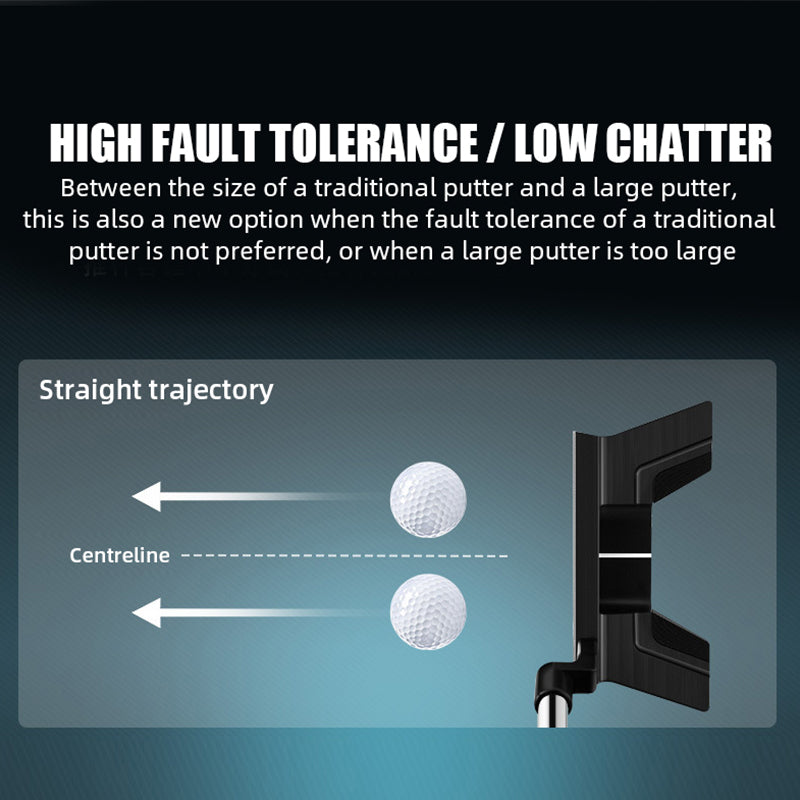
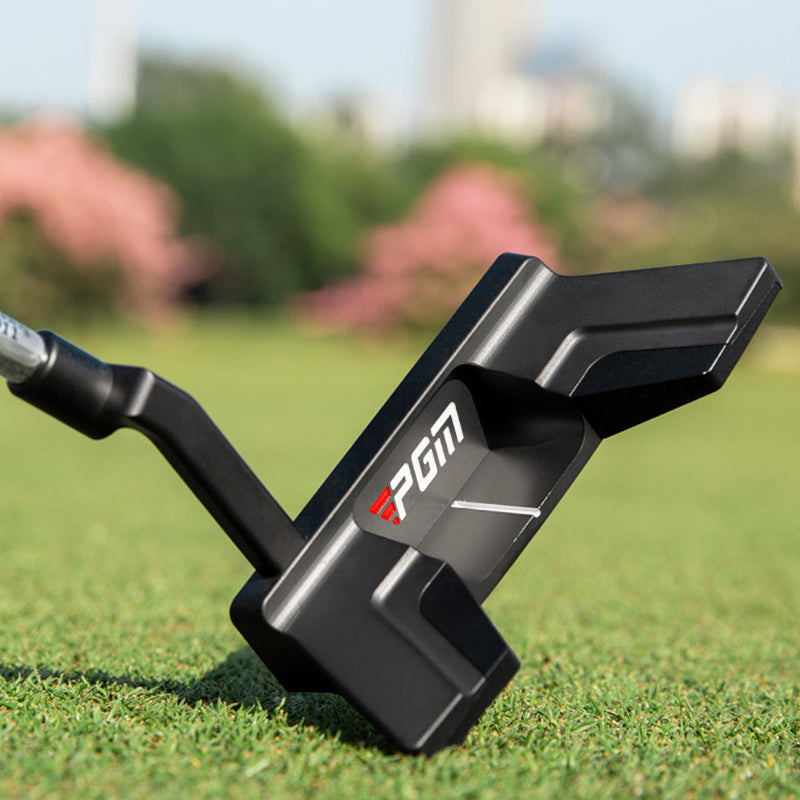
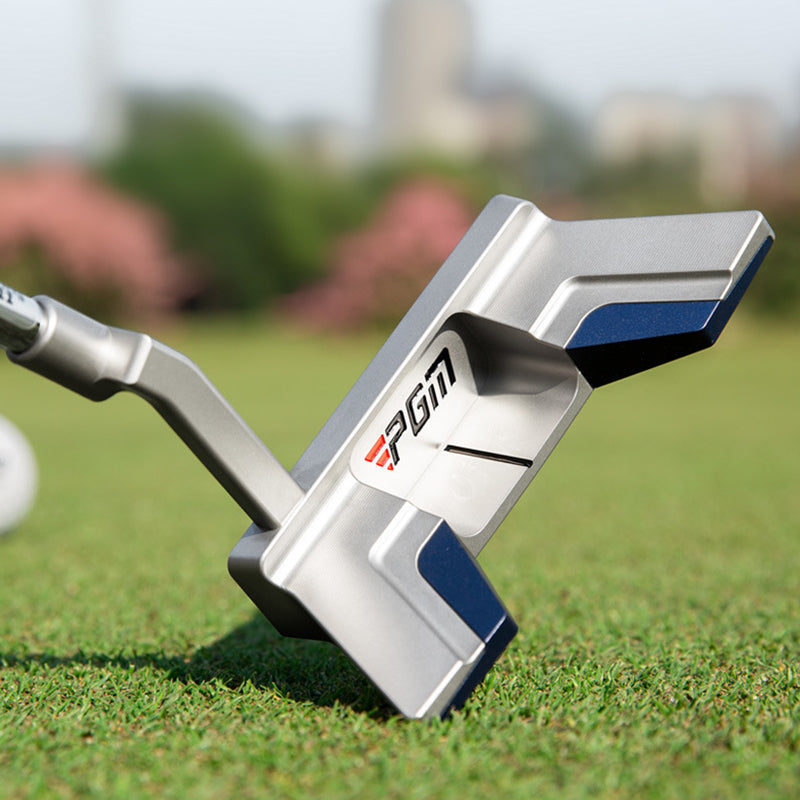
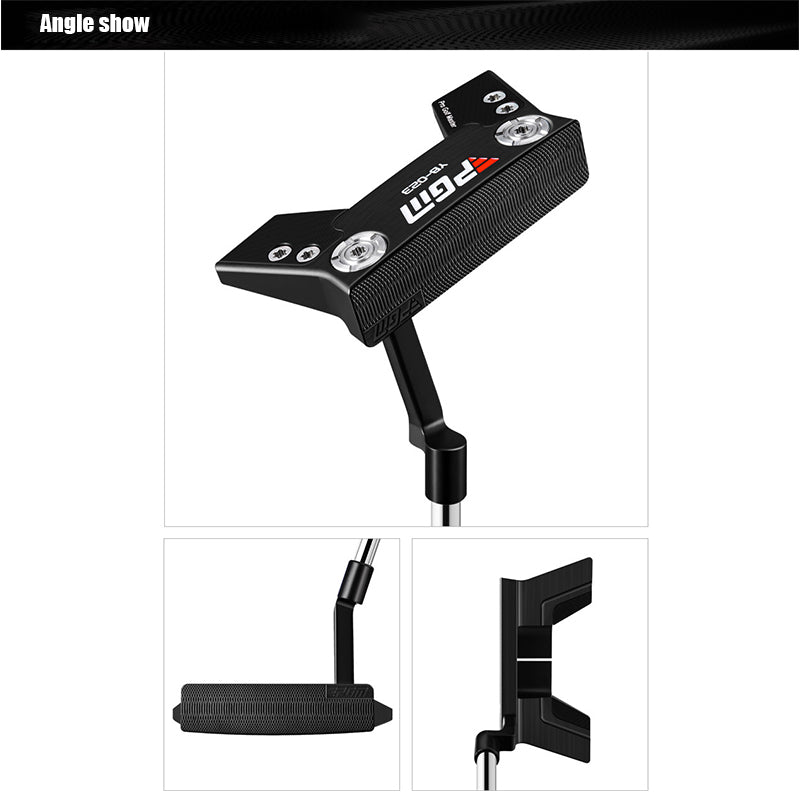
Where the TUG047 goes all-in on bullhorn weighting and textured face milling, the TUG048 keeps things simple. A clean mallet shape, a single sight line, and a face-balanced design that wants to swing straight. If you’re looking for your first real putter — or upgrading from a hand-me-down — this is where you start.
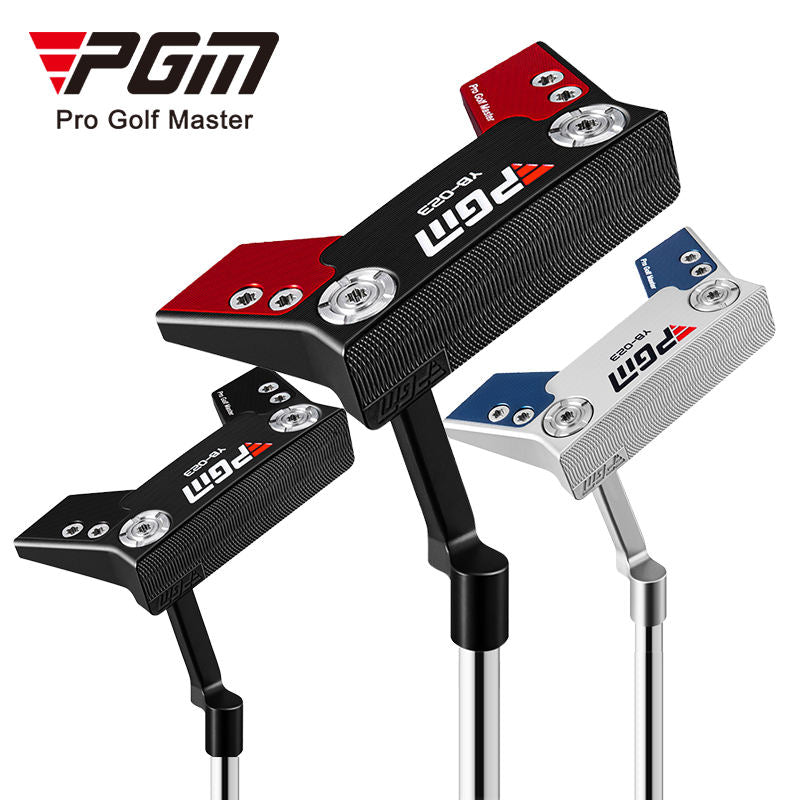
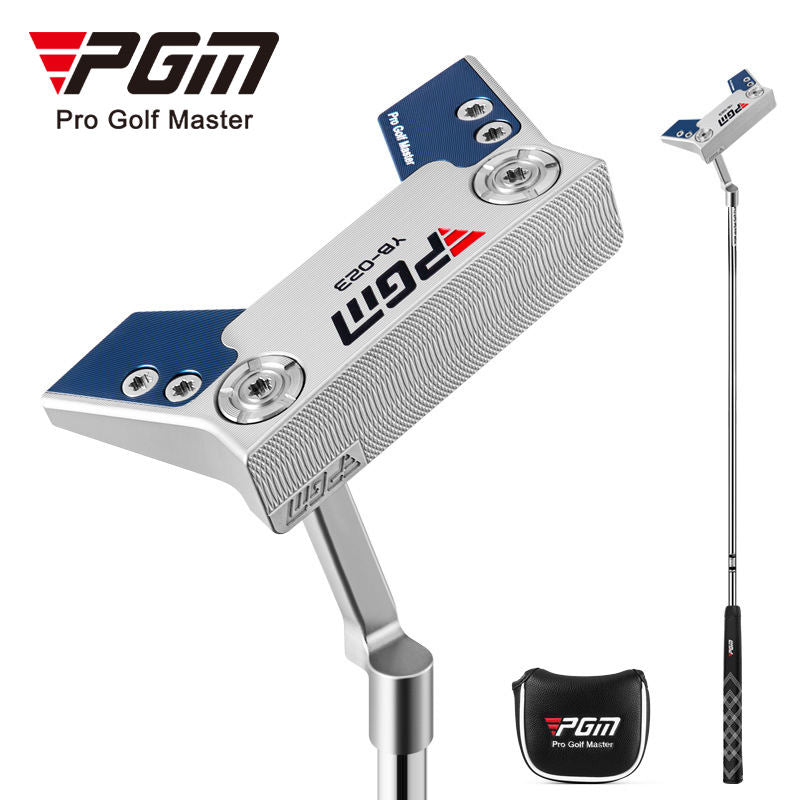
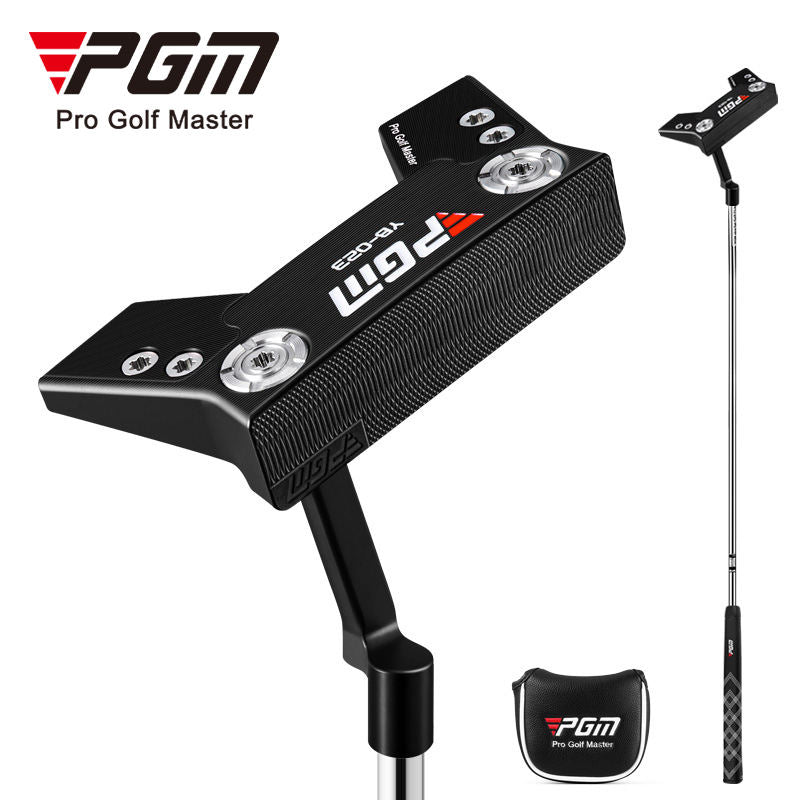
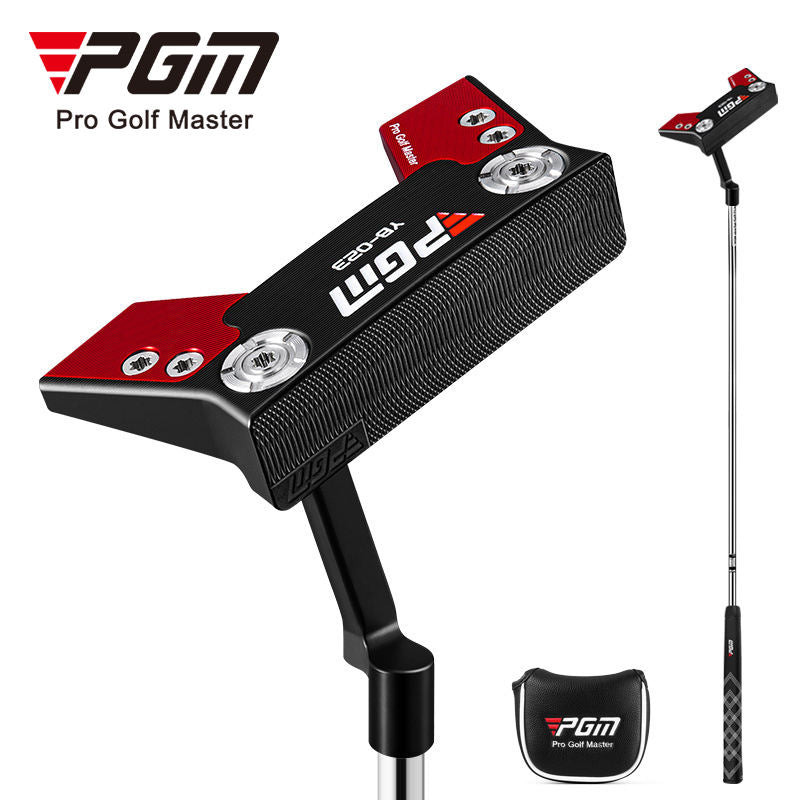
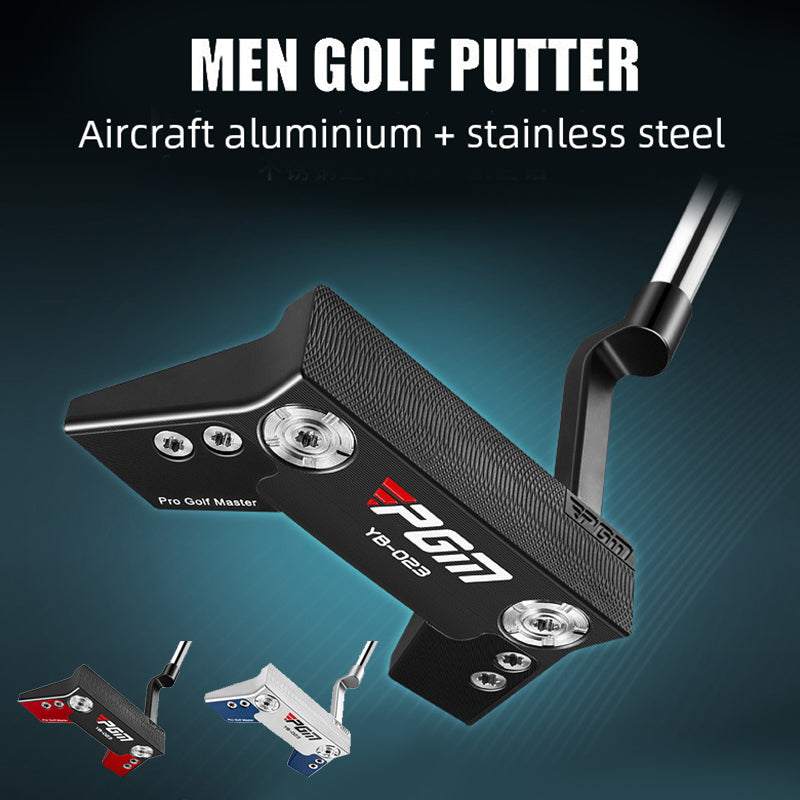
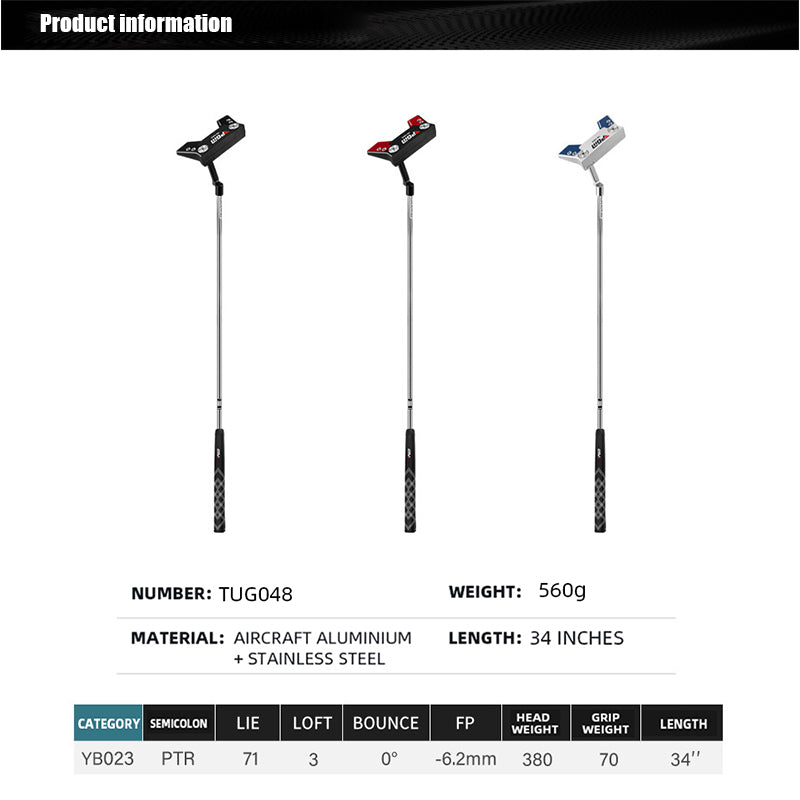
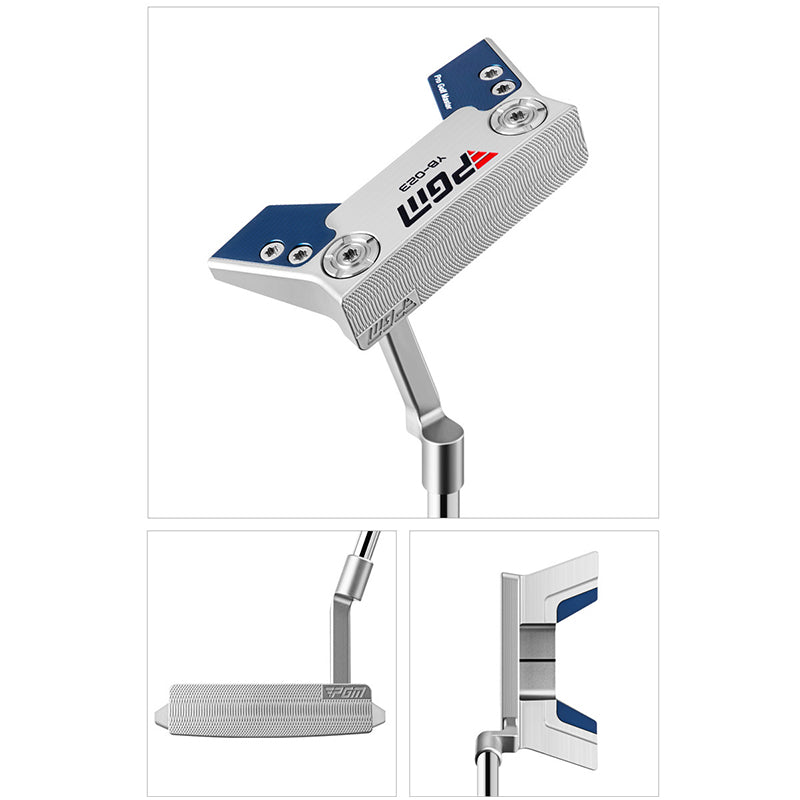
Three colors — Blue, Black, and Red. No gimmicks, just a putter that does what it’s supposed to do.
Specifications at a Glance
Product Spec Sheet
PGM TUG048
Head Type
Mallet
High Stability
Body
Aircraft Aluminum + SS SoleLight body, steel sole — weight pushed to heel and toe
Lightweight
Face
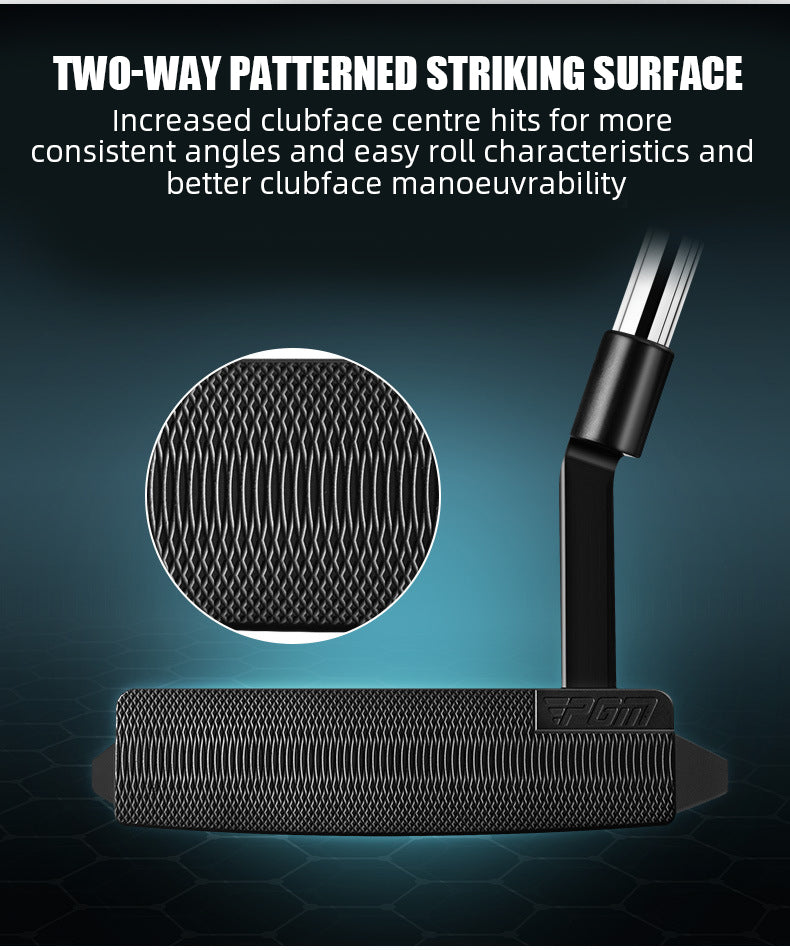
Smooth Milled AluminumClean contact — softer feel than textured, more muted on mishits
Smooth
Hosel
Single-Bend (Full Shaft Offset)
Straight Stroke
Balance
Face-BalancedPendulum stroke — the putter does the work
Straight Stroke
Weight
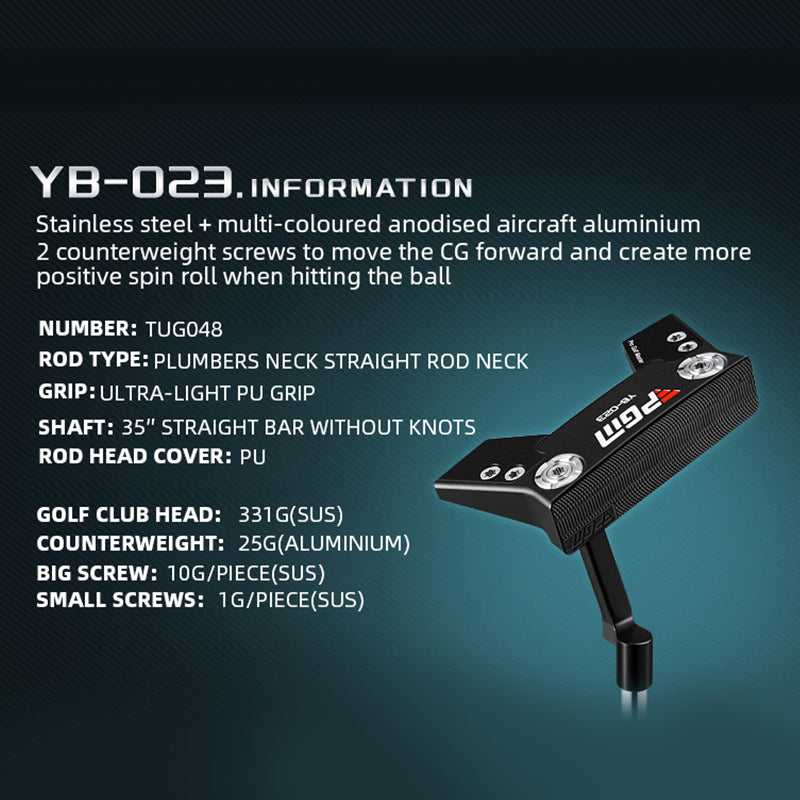
~355gSole weight screws — swappable for feel tuning
Adjustable
Length
34 inches (Standard)
Colors
3 Options
Beginners and budget-conscious golfers who want mallet forgiveness without paying for premium milling features they may not need yet. Clean design, simple alignment, face-balanced — a no-nonsense first real putter.
You want crisp, pro-level feedback on every strike. The smooth aluminum face is softer and more muted — step up to the TUG047 for detailed face feedback, or the TUG046 for CNC-milled precision.
Why Aluminum? A Lighter Head That Works Harder
Aluminum is about one-third the density of stainless steel. That sounds like a downside — until you realize it frees up weight to be placed exactly where you need it: the heel and toe.
The TUG048’s aluminum body with stainless sole creates a naturally high MOI without adding bulk. Off-center hits twist the face less, and your ball stays closer to your intended line.
Plus, aluminum feels different. It’s slightly softer and more muted than steel — less of that sharp “click” at impact. For golfers still developing their stroke, that means less punishment on mishits and a smoother overall feel.
What Makes the TUG048 Different?
Most affordable putters cut corners on materials. The TUG048 doesn’t.
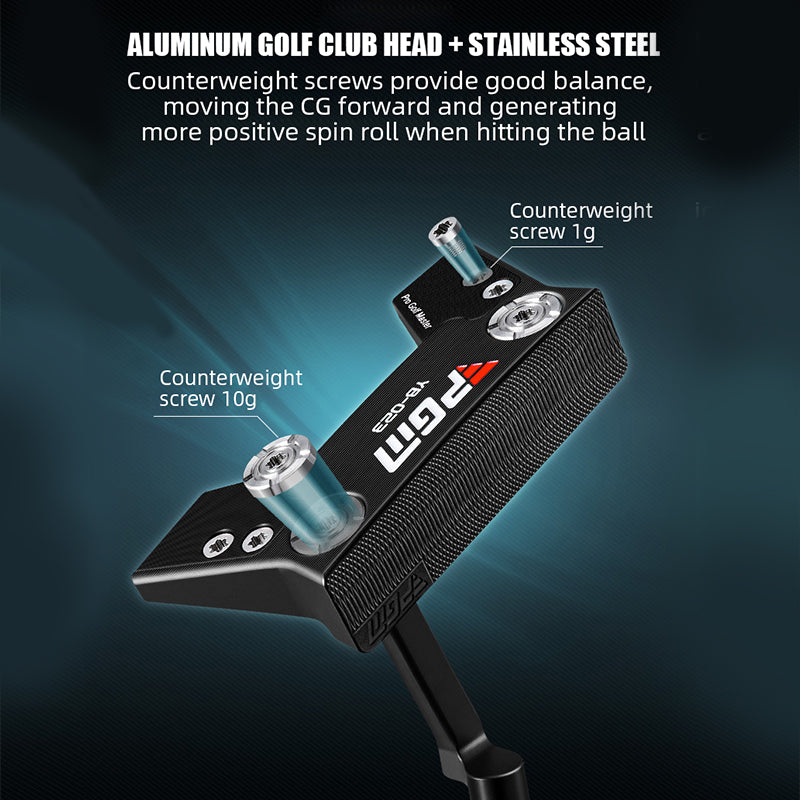
It uses the same aircraft-grade aluminum found in putters costing twice as much, paired with a stainless steel sole plate for stability through impact. The counterweight screws in the sole let you fine-tune the balance if you want to experiment.
The design philosophy is clean and functional. No bullhorn flares, no textured face milling — just a symmetrical mallet head with a single alignment line.
It’s the kind of putter you can trust without overthinking. Line it up, rock your shoulders, and let the face-balanced design do the rest.
But here’s the thing.
At this price, most putters are cast zinc with a cheap paint finish. The TUG048 is machined aluminum with an anodized coating — it’ll look the same after 50 rounds as it does on day one.
Who Is This For? (And Who Should Skip It)
Best for
- Beginners buying their first real putter. The mallet forgiveness and face-balanced design give you a head start on building a consistent stroke.
- Budget-conscious golfers. You get aluminum construction and perimeter weighting at a price point usually reserved for basic cast models.
- Players who prefer a softer feel. Aluminum is more muted than steel — less sting on mishits, smoother overall.
- Anyone who wants a clean look at address. The simple mallet shape and single sight line keep things distraction-free.
Skip if
- You want maximum face feedback. Aluminum feels softer than steel. If you want to feel exactly where the ball hit, step up to the TUG047’s CNC-milled face.
- You prefer a blade profile. This is a mallet — it’s wide, stable, and face-balanced. Blade fans should look elsewhere.
- You’re a low-handicap player chasing precision. The TUG048 prioritizes forgiveness over surgical control. Better players may want more feedback.
How the TUG048 Compares
| Feature | PGM TUG048 | PGM TUG047 | Typical Budget Mallet |
|---|---|---|---|
| Body Material | Aluminum | Aluminum + Steel | Cast zinc alloy |
| Forgiveness |
High
|
Very High
|
Moderate
|
| Face Feel |
Softer, muted
Smooth |
Crisp, responsive
|
Dull, inconsistent
|
| Durability |
Anodized aluminum
|
Anodized + steel
|
Paint over zinc
|
| Face Technology | Smooth milled | CNC-milled, two-way textured | Cast, unfinished |
| Best For | Beginners, value seekers | Mid-handicappers, feel-focused players | Absolute lowest budget |
The TUG048 sits in a sweet spot: way better materials than budget putters, way simpler than premium ones. If the TUG047 is a sports car, the TUG048 is the reliable daily driver.
How to Get the Most Out of the TUG048
Don’t fight the face balance. The TUG048 is built for a straight-back-straight-through stroke.
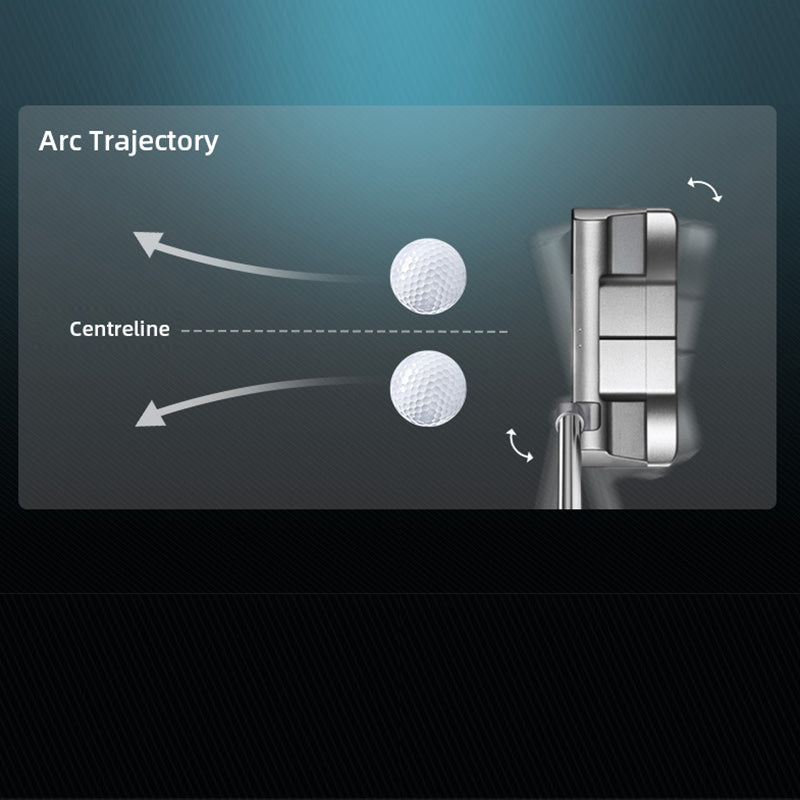
If you try to arc it like a blade, you’ll fight the putter on every stroke. Grip light, rock your shoulders like a pendulum, and let the perimeter weighting stabilize the head. The putter knows what it’s doing.
Use the simple sight line to build an alignment routine. Pick a spot 6 inches in front of your ball on your target line.
Set the TUG048’s sight line to that spot. Now just focus on speed. When your alignment becomes automatic, your confidence on short putts goes way up.
Try adjusting the sole weights. The counterweight screws in the sole aren’t just decorative. If you find the head too light or too heavy, a quick weight swap can dial in the feel.
Heavier = more stable on short putts. Lighter = better distance control on long lag putts. Experiment during practice to find your sweet spot.
Frequently Asked Questions
Q1: Is an aluminum putter better for beginners than steel?
A: For most beginners, yes. Aluminum’s lighter density lets manufacturers push weight to the heel and toe, creating a more forgiving head that twists less on off-center hits.
The feel is also softer and more muted than steel — less punishment when you mishit. You won’t get the crisp feedback of a steel face, but as a beginner, forgiveness matters more than feedback.
Q2: What’s the actual difference between TUG048 and TUG047?
A: The TUG048 is simpler and more affordable. It uses a smooth aluminum face with a clean mallet shape — great for beginners and value-focused golfers.
The TUG047 adds a CNC-milled textured face, bullhorn weighting for extra MOI, and a more premium build. If you want more feedback and precision, go TUG047. If you want forgiveness and simplicity, the TUG048 is your putter.
Q3: How long will an anodized aluminum putter last?
A: Years. Anodizing is an electrochemical process that hardens the aluminum surface — it’s not paint that chips or peels.
The finish resists scratches, corrosion, and UV fading. With basic care (wipe it down after rounds, don’t leave it wet in the trunk), a TUG048 will look nearly new after multiple seasons.
Q4: Can I adjust the weight of this putter?
A: Yes — the sole has counterweight screws that can be swapped for heavier or lighter aftermarket weights. Heavier weights add stability for short putts.
Lighter weights improve distance control on lag putts. If you’re not sure where to start, the stock ~355g setup works well for most golfers.
Q5: What length do I need?
A: The TUG048 comes at the standard 34 inches, which fits most adults between 5’7″ and 6’1″. If you’re shorter, consider cutting it down to 33 inches.
Taller than 6’2″. You’ll want 35 inches. At address, your eyes should be directly over the ball with arms hanging naturally — if you’re reaching or crouching, the length is wrong.
Q6: How does this compare to name-brand putters in the same price range?
A: At this price, most name-brand putters use cast zinc bodies with basic paint finishes. The TUG048 gives you machined aluminum construction with an anodized coating — materials and build quality you typically need to spend significantly more to get.
The trade-off: no insert face technology or multi-material milling. But for a solid, no-nonsense mallet, the value is hard to beat.
Q7: Is this putter forgiving on off-center hits?
A: Yes — that’s the whole point of the aluminum mallet design. Because the body is light, more weight sits in the perimeter (heel and toe), which increases MOI (moment of inertia).
Translation: when you catch it toward the toe or heel, the face resists twisting, and the ball stays closer to your line. You’ll lose some distance on bad mishits, but the direction stays truer than with a compact blade.
Reviews
There are no reviews yet.