Description
High-MOI CNC Milled Putter — PGM TUG047 — High-MOI Stability, Milled Face Control | FairwayWise
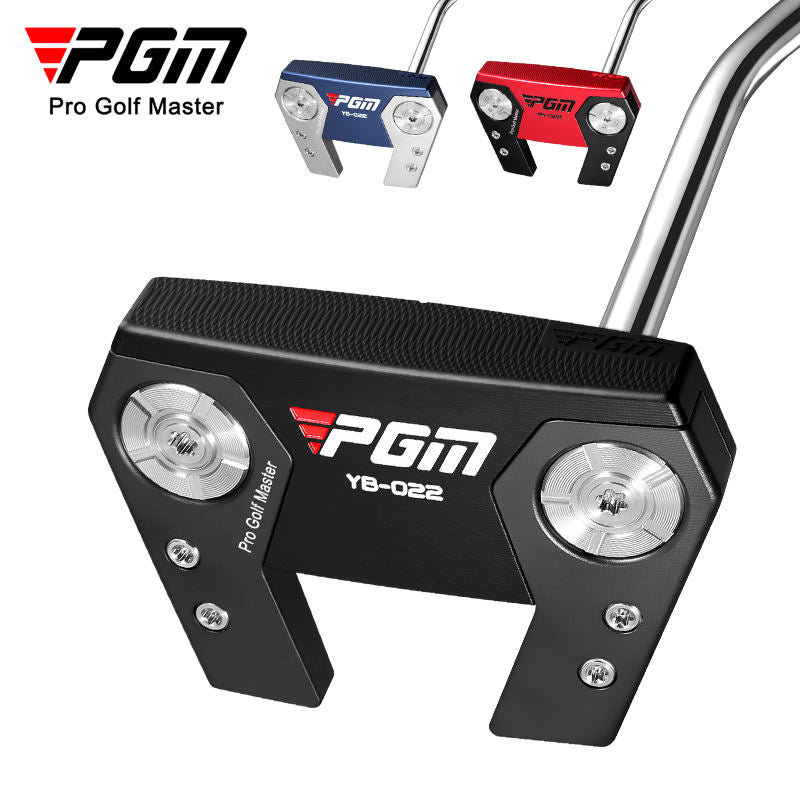
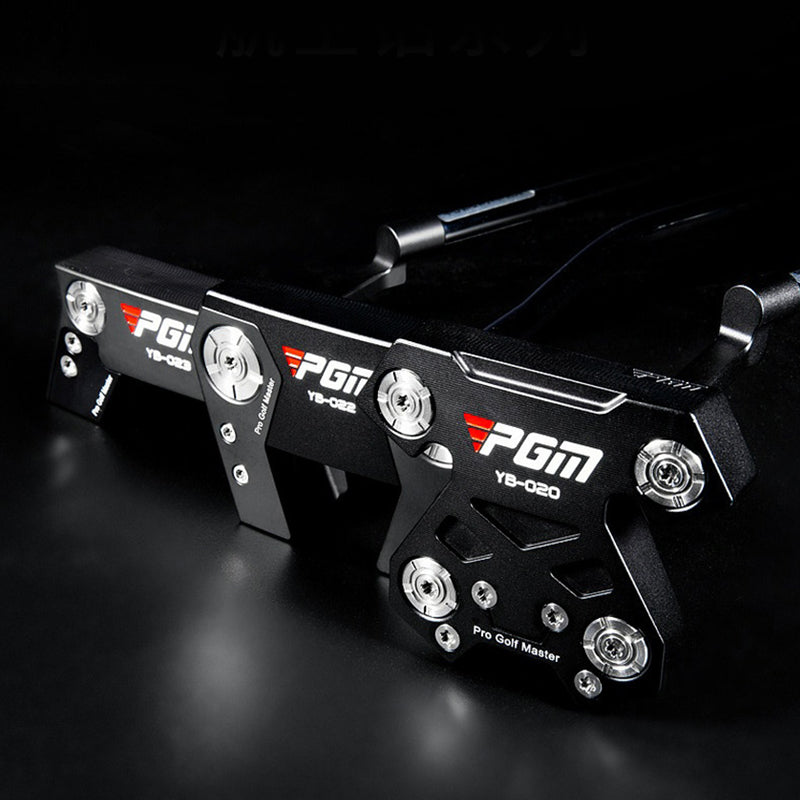
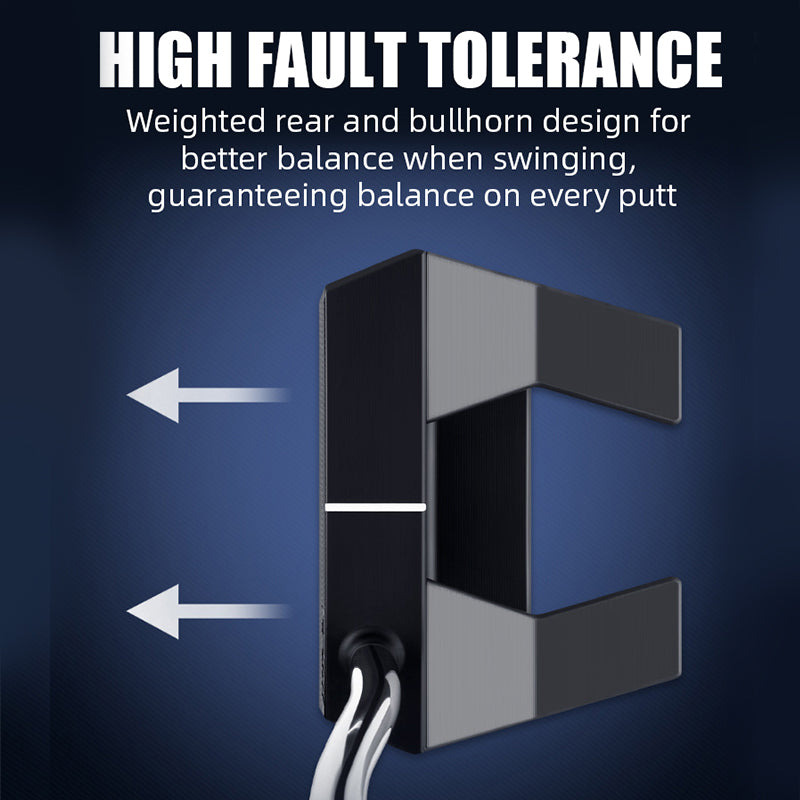
The PGM TUG047 is a CNC-milled mallet putter that pairs high-MOI forgiveness with the crisp feedback only a milled face delivers. Its aircraft aluminum body and stainless steel sole shift the CG forward — so off-center strikes roll truer, and the two-way textured face keeps the ball on line. If your short putts wobble when you miss the sweet spot, this is the fix.
Most high-MOI mallets come with soft insert faces that mute feel. The TUG047 goes the other way. A fully milled striking surface gives you clear, instant feedback on every putt — without sacrificing the twist resistance the bullhorn weighting provides.
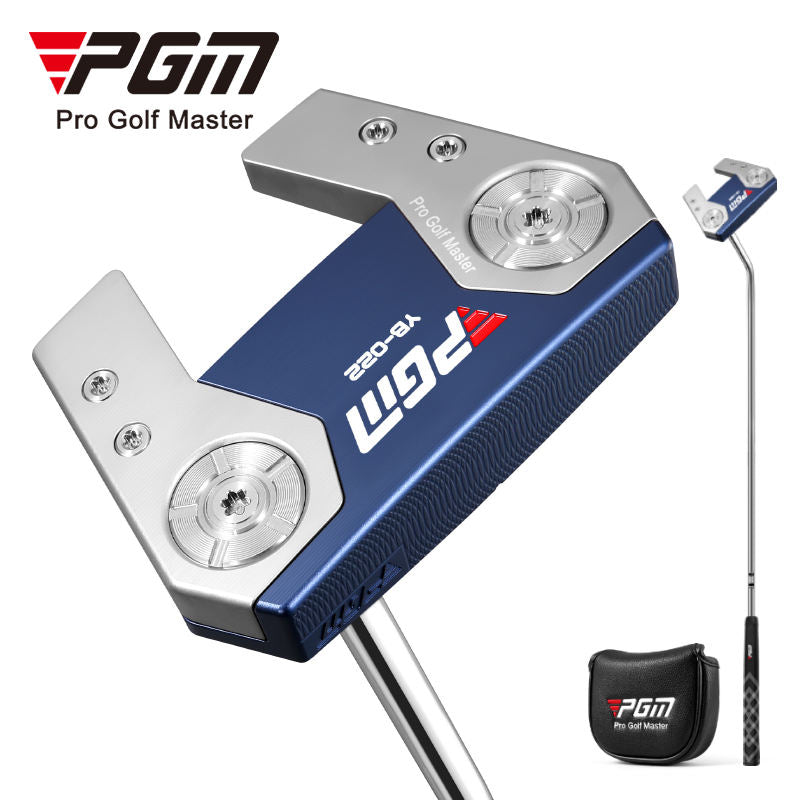
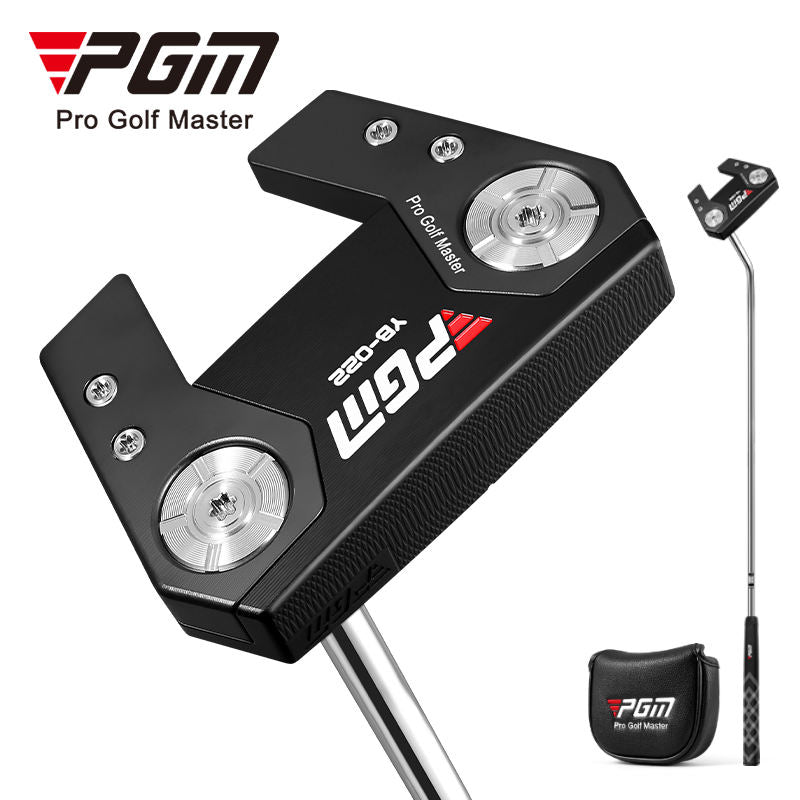
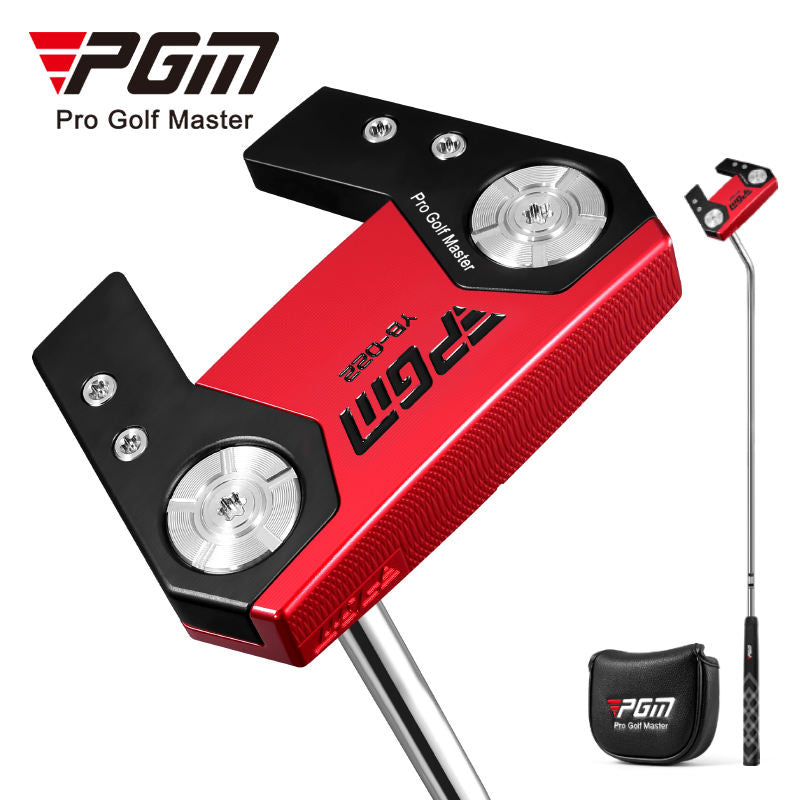
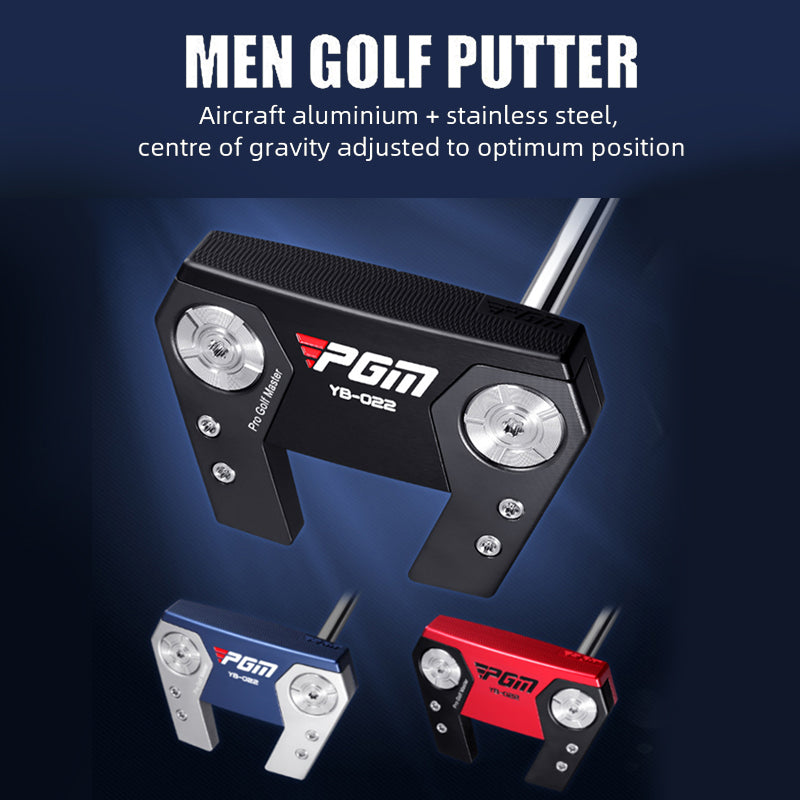
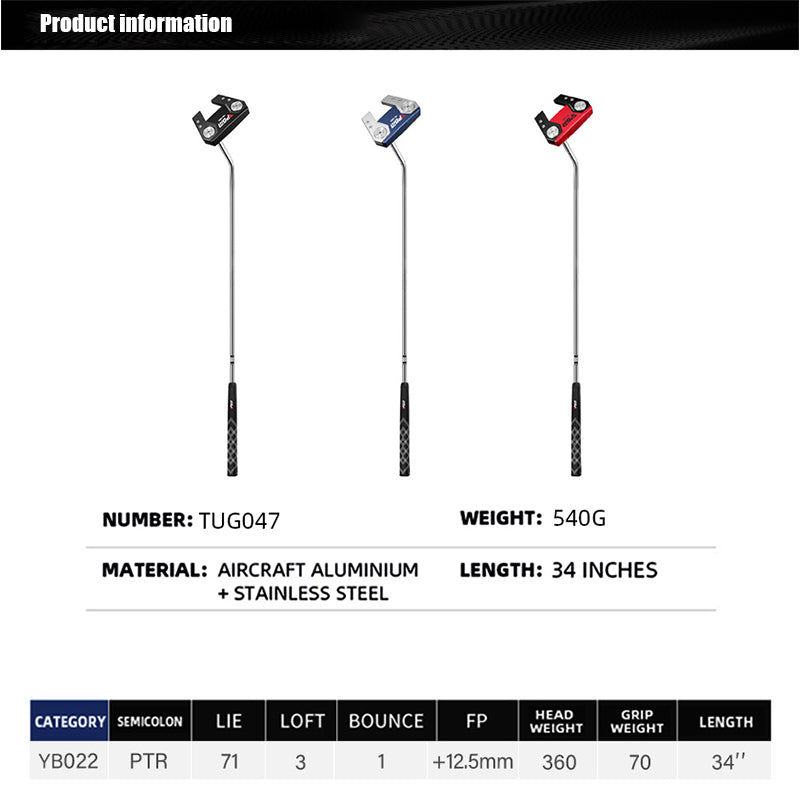
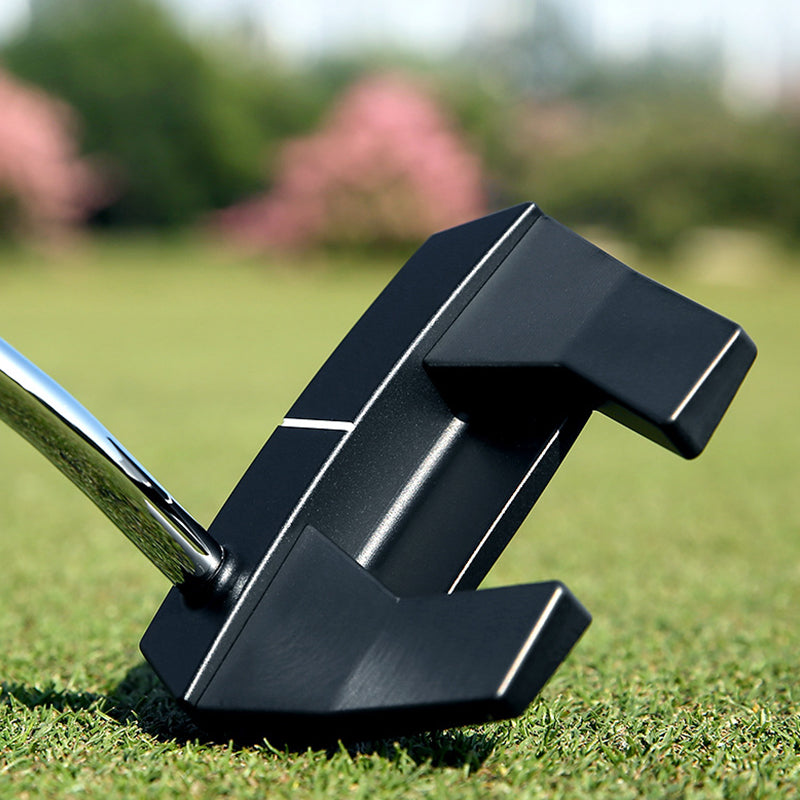
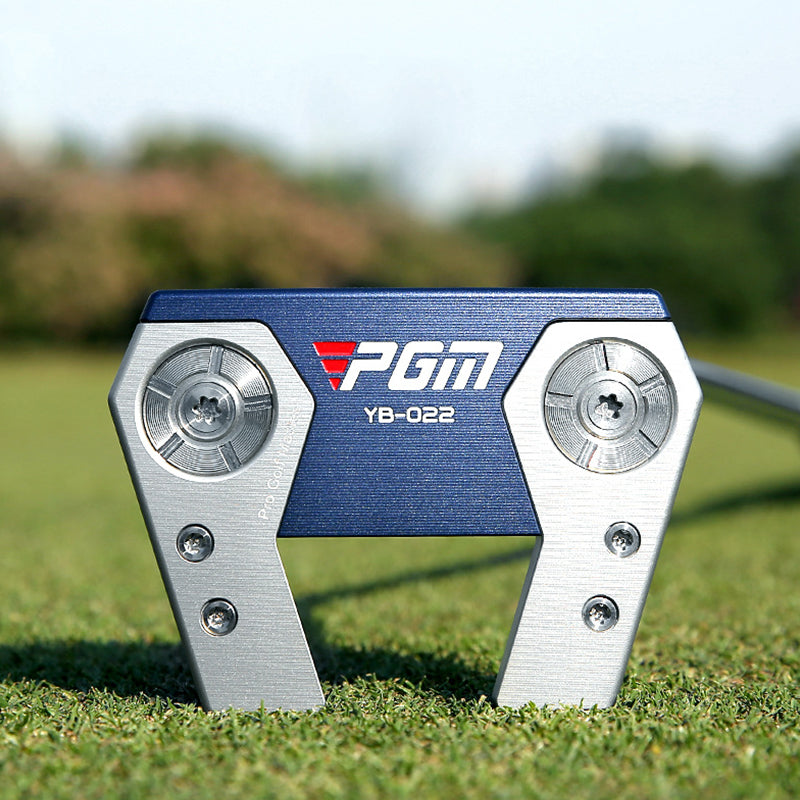
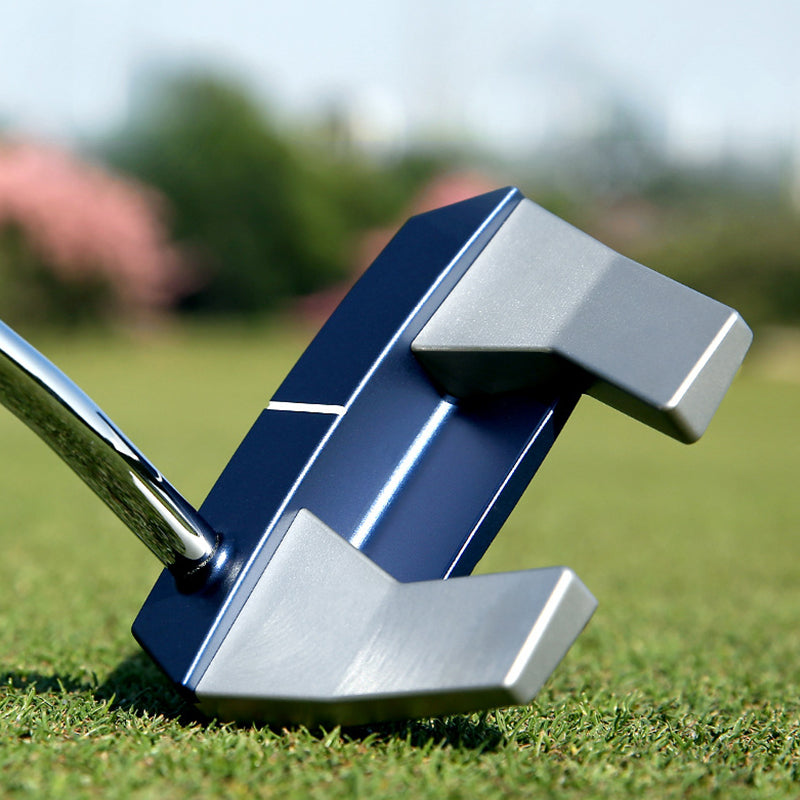
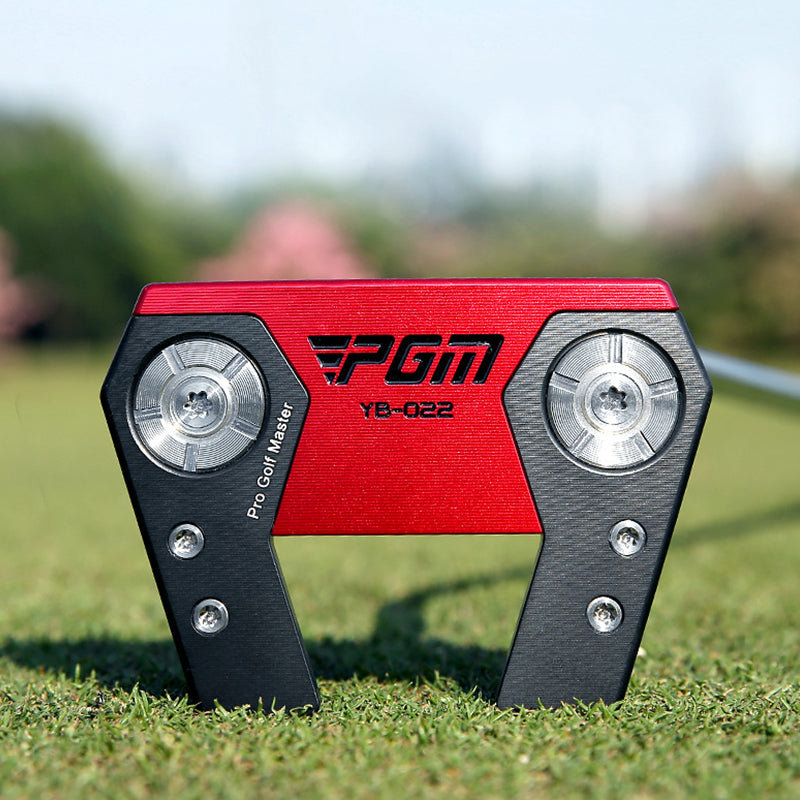
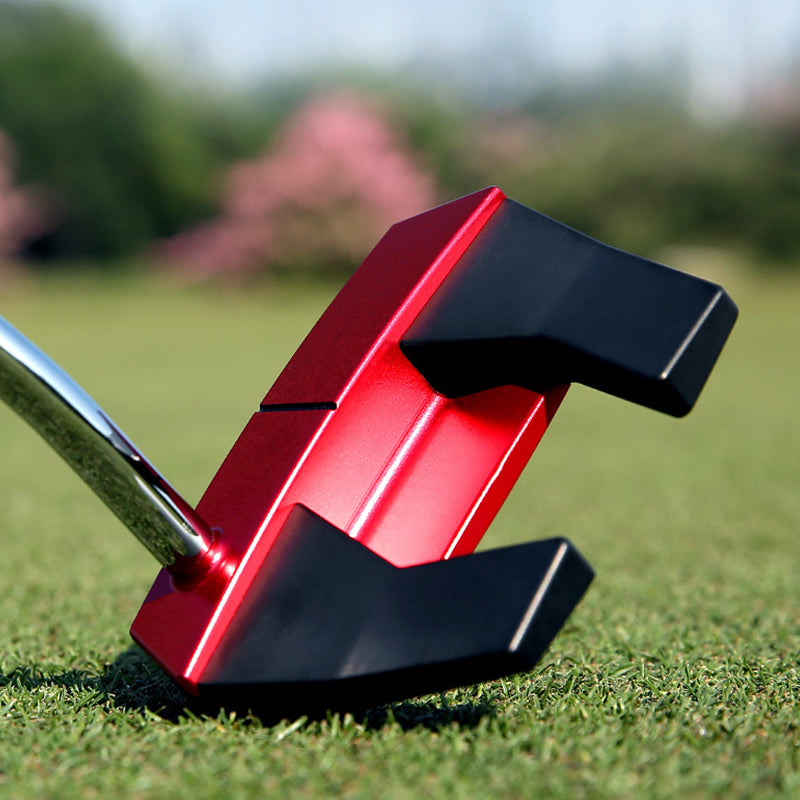
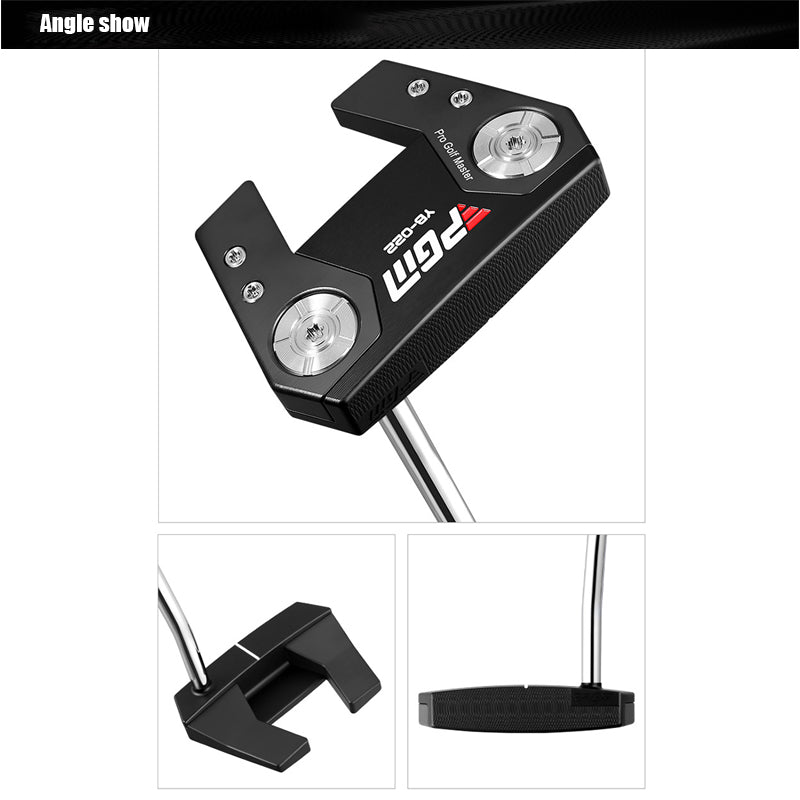
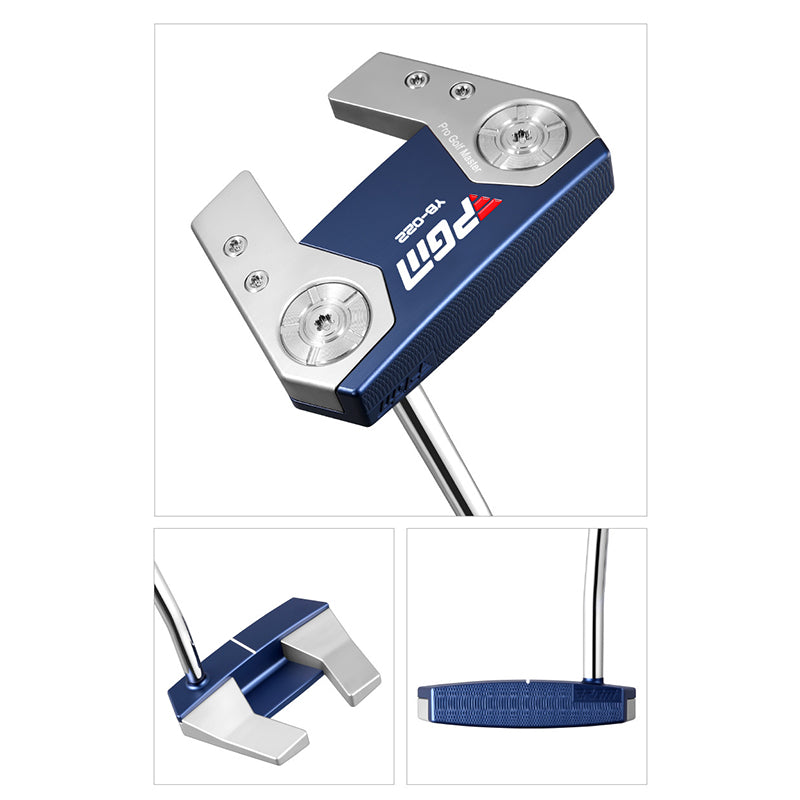
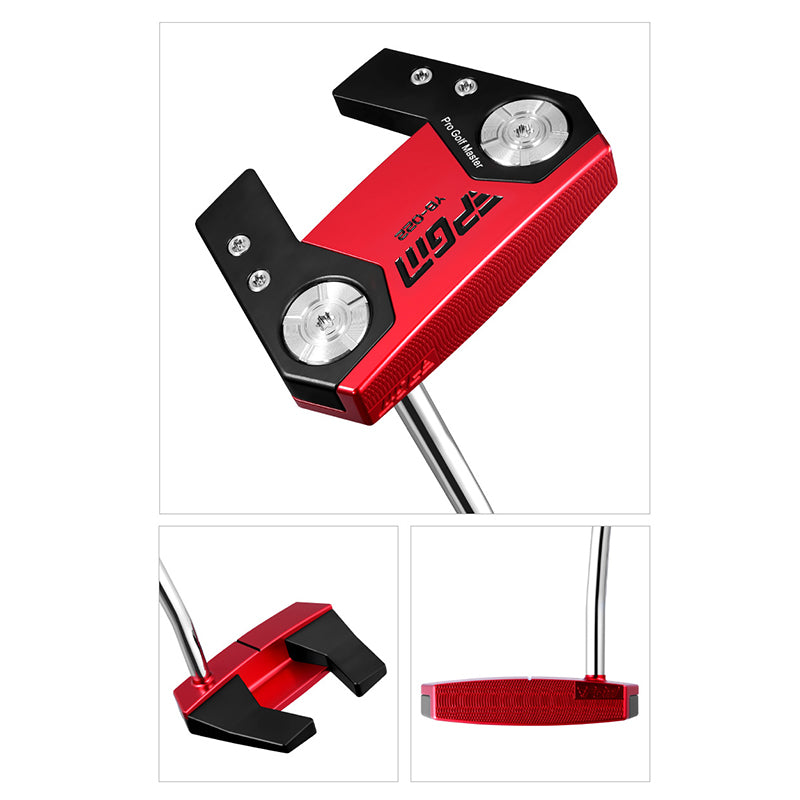
Three color options — Blue, Black, and Red — let you match it to your bag. But the real story is what’s under the hood.
Specifications at a Glance
Product Spec Sheet
PGM TUG047
Head Type
Mallet (Bullhorn)
Max Stability
Body
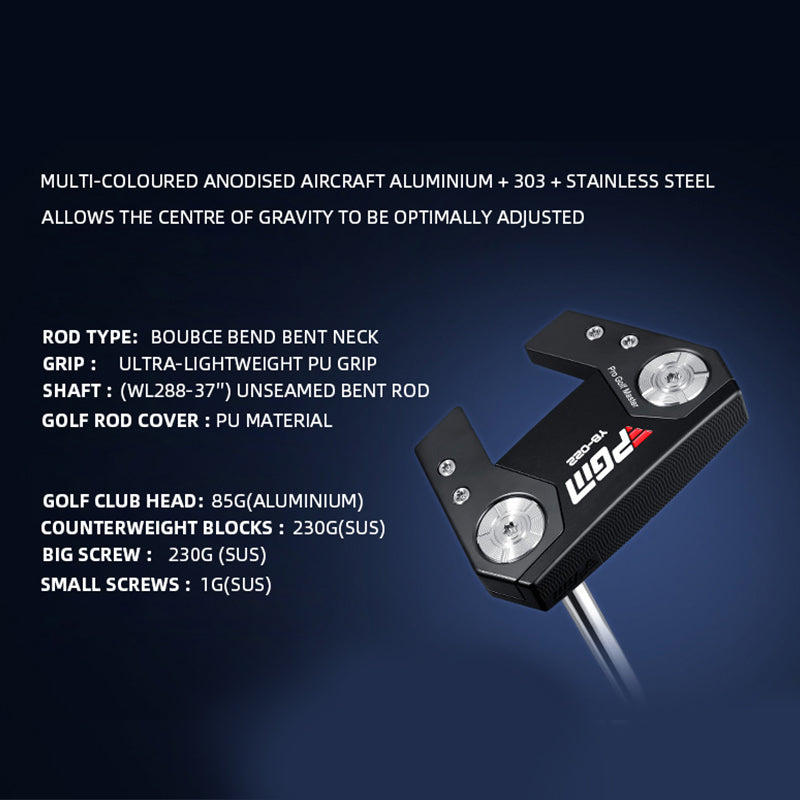
Aluminum + Stainless SteelDual-material — aluminum body, steel sole for CG-forward balance
Dual Material
Face
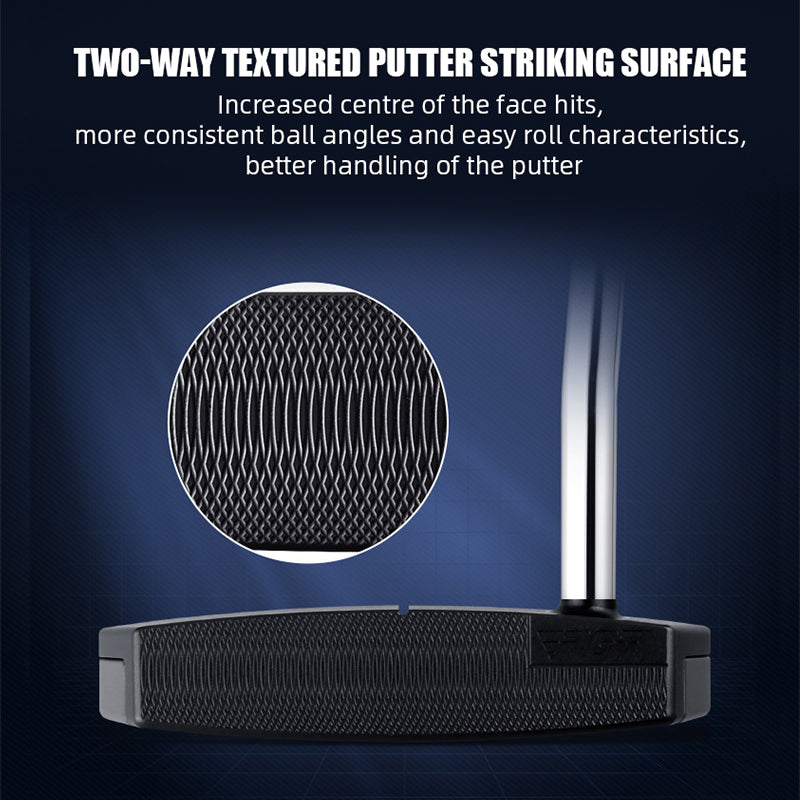
CNC-Milled, Two-Way TexturedHorizontal + vertical milling → consistent launch, reduced sidespin
Precision
Hosel
Single-Bend (Full Shaft Offset)
Straight Stroke
Balance
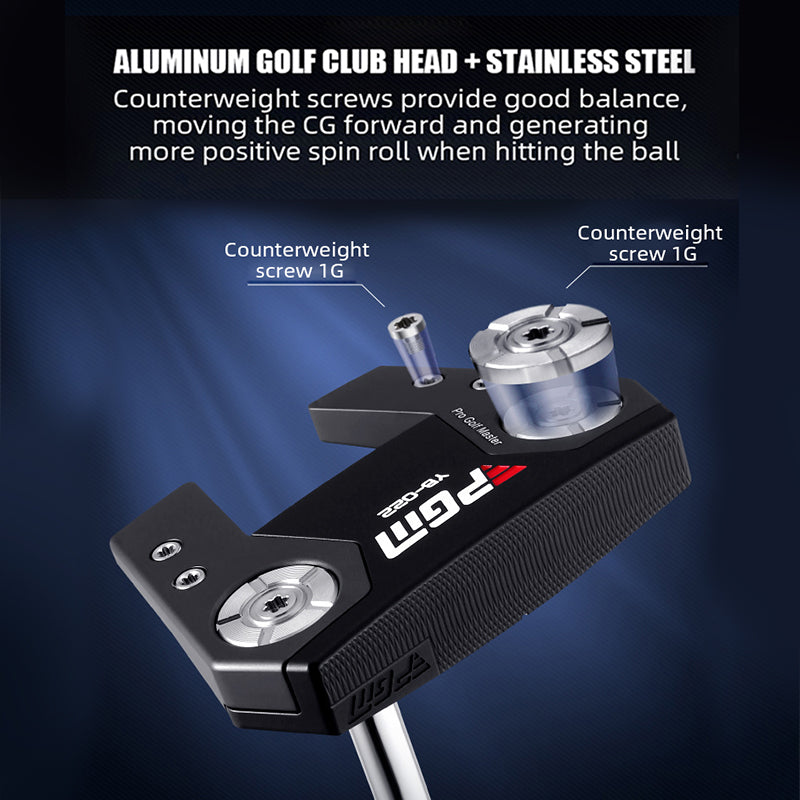
Face-BalancedCounterweight screws tune CG for pendulum stroke
Straight Stroke
Weight
~365gHeavier head — bullhorn perimeter weighting for max MOI
Heavy
Length
34 inches (Standard)
Colors
3 Options
Golfers who want mallet forgiveness without losing the feel of a milled face. The bullhorn weighting + textured CNC face give you high MOI with detailed strike feedback — rare at this price.
You prefer a soft polymer insert face or a compact blade profile. The TUG047 rewards consistent strokes — if you’re still developing yours, the TUG048’s simpler mallet might be a gentler starting point.
Mallet vs Blade: What’s the Difference?
The TUG047’s mallet design pushes weight to the heel and toe — giving you a bigger sweet spot and a steadier stroke than any blade can offer. New to golf? Start here.
What Makes the TUG047 Different?
Most mallets in this category use cast bodies with polymer insert faces. The TUG047 is CNC-milled from aircraft aluminum — the same manufacturing process used on putters costing significantly more. Milling means tighter tolerances, a flatter face, and more consistent roll across the entire striking surface.
The bullhorn rear weighting isn’t just for looks. By pushing mass to the heel and toe, the TUG047 resists twisting on off-center hits.
The center of gravity sits forward and low, which launches the ball into a true forward roll faster. Less skidding means better distance control — especially on the 5-to-10-footers that make or break a round.
But here’s the thing.
The two-way textured face is what separates this from other mallets. The textured pattern increases friction at impact, reducing launch variance between center and off-center strikes.
Your 10-foot putt stays a 10-foot putt even when you catch it toward the toe. On a standard smooth-faced mallet, that same mishit comes up 2-3 feet short.
Why Face-Balanced Matters
Not sure what your stroke looks like. Set up your phone camera behind you on the practice green.
If the putter head traces a straight line, you’ll love the TUG047. If it curves, you want a toe-hang blade instead.
Who Is This For? (And Who Should Skip It)
Best for
- Mid-to-high handicappers who lose strokes on short putts. The high MOI keeps the face square when your stroke isn’t perfect.
- Straight-back-straight-through putters. The face-balanced design suits a pendulum stroke with minimal arc.
- Golfers upgrading from a cast putter. The milled face is a noticeable step up in feel and consistency — you’ll know exactly where you struck the ball.
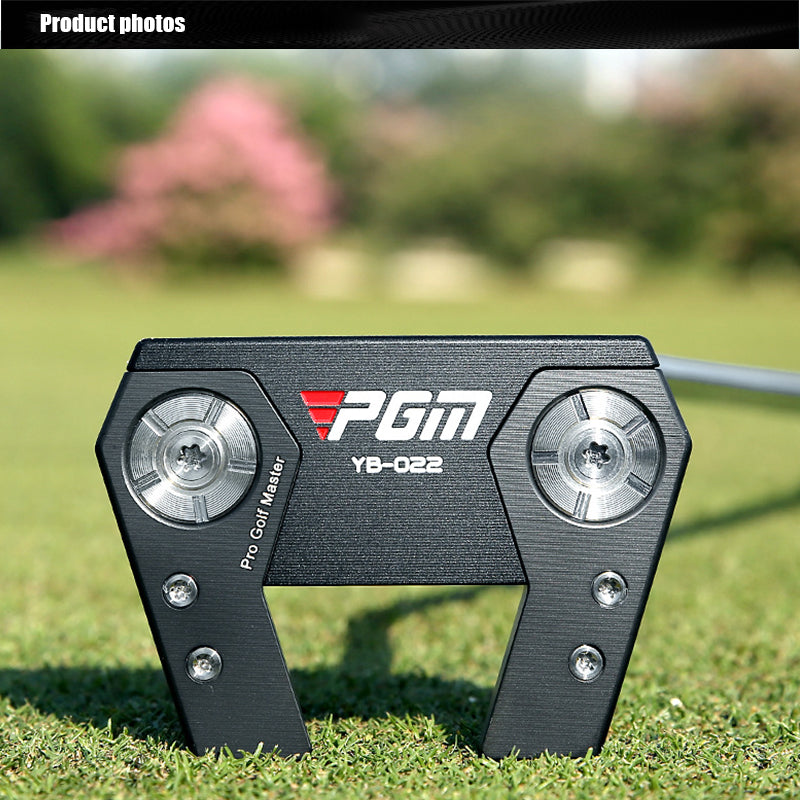
- Players who struggle with alignment. The bullhorn shape frames the ball naturally and provides a clear visual reference at address.
Skip if
- You have a strong arcing stroke. A toe-hang blade putter will feel more natural through impact. This putter wants to go straight back and through.
- You prefer a soft, muted feel. Milled faces are crisp and responsive. If you like the cushioned thud of a polymer insert, look elsewhere.
- You want ultra-light head weight. At ~365g, the TUG047 is built for stability — not for players who prefer a lighter, more handsy feel.
How the TUG047 Compares
| Feature | PGM TUG047 | Typical Insert Mallet | Typical Milled Blade |
|---|---|---|---|
| Face Type | CNC-milled, textured | Polymer insert | CNC-milled, smooth |
| Forgiveness (MOI) |
High
Best |
High
|
Low
|
| Strike Feedback |
Crisp, immediate
Clear |
Soft, muted
|
Crisp, precise
|
| Off-Center Consistency |
High
Best |
Medium
|
Low
|
| Alignment Aid | Bullhorn frame + sight line | Varies (ball/lines) | Single sight line |
| Best Stroke Type | Straight back, straight through | Straight to slight arc | Slight to strong arc |
The TUG047 sits in a rare spot: milled-face precision with mallet-level forgiveness. Most putters make you pick one or the other.
How to Get the Most Out of the TUG047
Let the putter do the work on short ones. The face-balanced design wants to swing straight back and through.
Don’t manipulate the face with your hands — grip light, rock your shoulders, and let the bullhorn weighting stabilize the stroke. Your 4-footers will find the bottom of the cup more often.
Use the textured face as a training tool. Miss the center, and the TUG047 tells you immediately — the sound and feel change noticeably across the face.
Spend five minutes before each round hitting putts from different strike locations. Your body learns to find the center faster than you’d think.
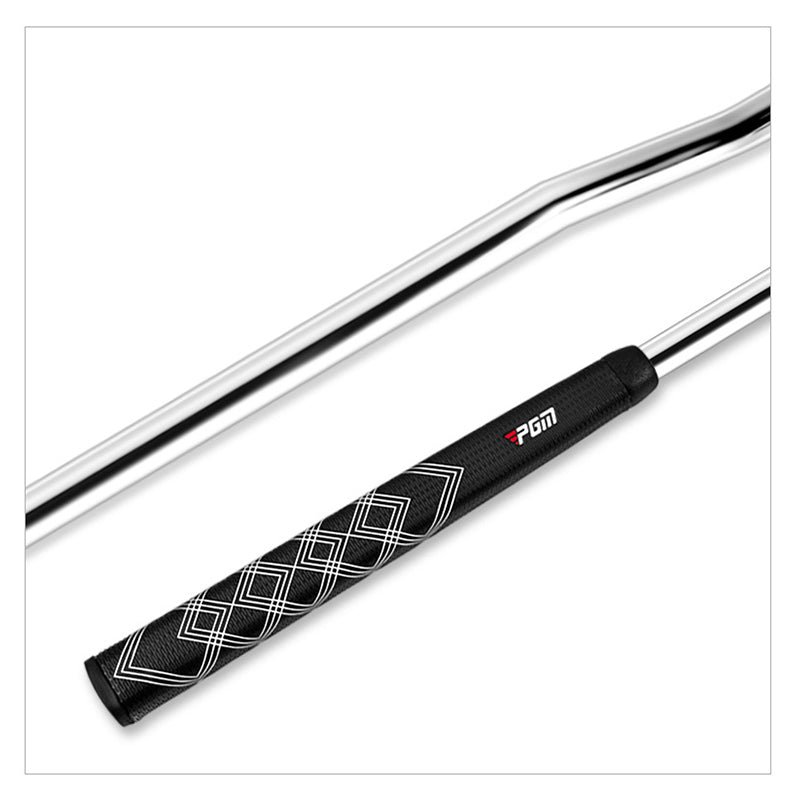
Consider an oversized grip. The stock grip is standard size.
If you fight wristy strokes or inconsistent hand pressure, swapping to an oversized grip quiets the hands and reinforces the shoulder-driven motion the TUG047 is built for. It’s a $15 upgrade that can transform how this putter performs for you.
Frequently Asked Questions
Q1: Mallet or blade — how do I know which one fits my stroke?
A: It comes down to your putting arc. If you take the putter straight back and straight through, a face-balanced mallet like the TUG047 matches your natural motion.
If your stroke arcs noticeably from inside to inside, a blade with toe hang will feel more fluid through impact. Not sure. Watch your putter head in a mirror — if the face stays square to the target line throughout, go mallet.
Q2: What’s the difference between a milled face and an insert face?
A: A milled face is cut from the same block of metal as the head — it’s firmer and gives clearer feedback on strike quality. You’ll feel exactly where you hit the ball.
An insert face uses a softer polymer layer to absorb impact, which feels more muted. Milled faces tend to produce more consistent ball speed across the face. Insert faces are more forgiving on feel but can dull the feedback you need to improve your stroke.
Q3: Does the TUG047 help with off-center hits?
A: Yes — that’s the point of the bullhorn design. Weight pushed to the heel and toe increases MOI (moment of inertia), which resists the face twisting when you don’t catch the center. The two-way textured face also helps by equalizing friction across the striking surface, so ball speed stays more consistent between center and off-center strikes.
Q4: What length putter do I need?
A: For most adults between 5’7″ and 6’1″, the standard 34-inch length works well. Under 5’7″.
Try 33 inches. Over 6’2″. You’ll want 35 inches.
Q5: How long does it take to adjust to a new putter?
A: Give it 3-5 rounds and a couple of practice sessions. The TUG047’s face-balanced design rewards a straight stroke — if you’re coming from a toe-hang blade, expect a short adjustment period, mostly on distance control for longer putts. Spend extra time on 5-to-10-footers in practice, and let the putter’s balance guide your stroke rather than forcing it.
Q6: Is CNC milling worth it over a cast putter?
A: If you value face consistency and feedback, yes. A milled face is flatter and more precise across the entire striking area — you get the same roll whether you hit center or slightly off.
Cast putters often need face inserts to achieve similar consistency. The TUG047 gives you milled precision without the premium price tag milled putters typically carry.
Q7: Are the three colors just cosmetic?
A: Yes. Blue, Black, and Red are purely cosmetic — the head design, weighting, and face milling are identical across all three. Pick the one that looks best behind the ball at address.
Reviews
There are no reviews yet.